
His son, Doğon, writes:
Karaca Taşkent, known among his Cresta contemporaries as “the Mighty Turk,” was born in 1934 and from the very beginning showed a restless, fearless spirit. As a child he was already behind the wheel at the age of eight, and by ten he was driving to collect guests from the train station for his father’s coal mines.
His years at the British School for Boys in Istanbul did little to tame him - if anything, they reinforced his reputation as a tough and independent character. Perhaps this was shaped by a difficult early environment: the loss of his older brother in a mountain accident in Switzerland when Karaca was just five deeply affected the family. His mother never truly recovered, while his father was largely absent. He was a Gallipoli veteran turned industrialist tasked (by Atatürk) with helping build modern Turkey’s sugar and mining industries.
Lyceum Alpinum Zuoz became both refuge and foundation. It was here that Karaca found direction, combining strong academic ability with a natural athleticism - what might best be described as an “athlete complete.” Zuoz also anchored his life long connection to the Engadin.
At Cambridge, where he attended Gonville and Caius College, Karaca discovered not only a love of learning but also a passion for speed. Together with his close friend Sir Gawaine Baillie, he immersed himself in motor racing, competing on the British circuit in a Lotus IV and collaborating with Archie Scott Brown in the development of the Lister Maserati.
Racing, however, eventually overtook academic life. When the Dean learned - via local newspaper reports - that one of his students was winning races, the matter could no longer be ignored. Summoned and reminded that students were not permitted to keep cars, Karaca famously replied: “Sir, I don’t have a car - I have two.” It was a response entirely in keeping with his character, and it marked the end of his Cambridge chapter.
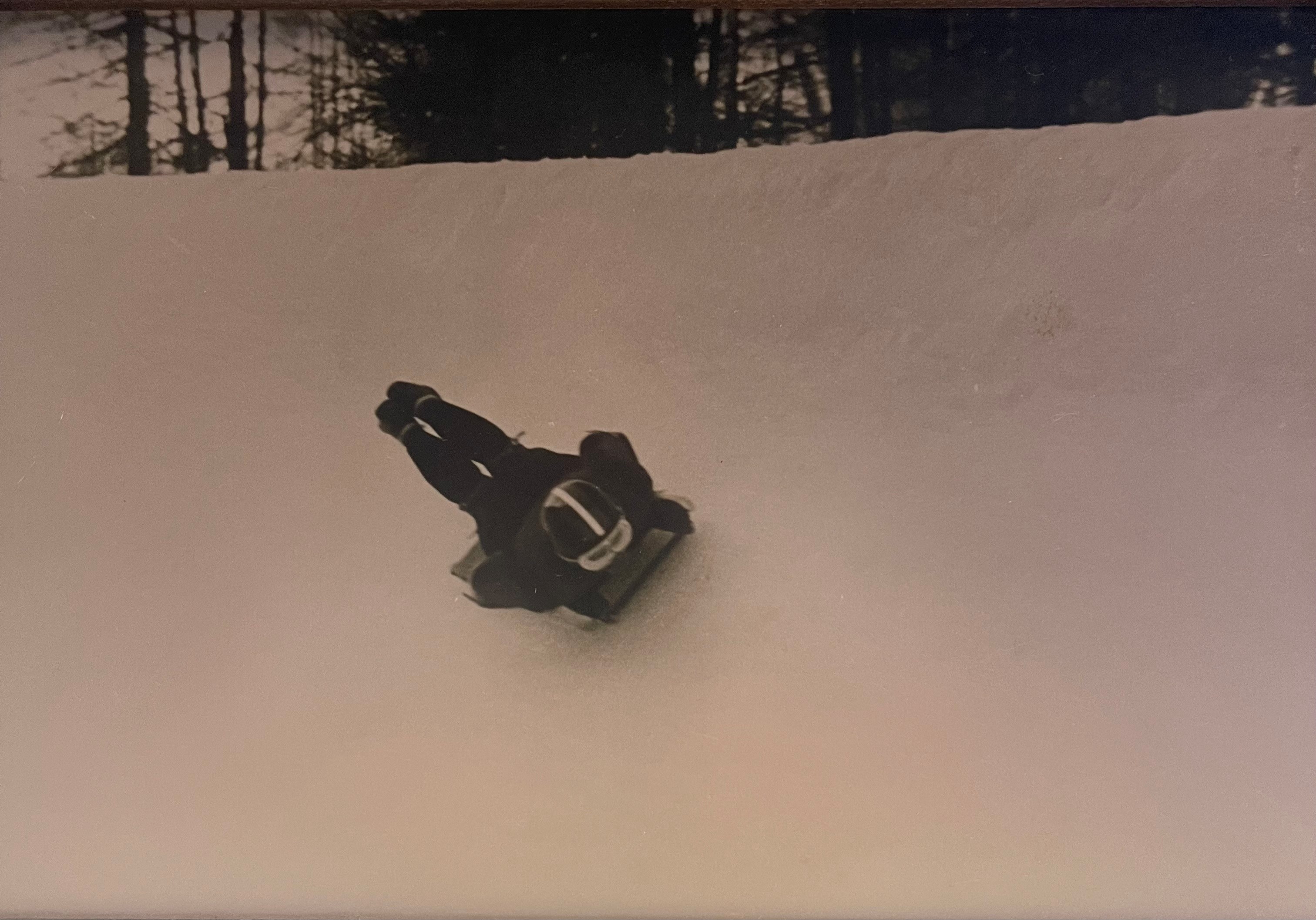
He returned to the Engadin, where Sir Gawaine introduced him to the Cresta Run - an arena perfectly suited to his appetite for speed and competition. He took to it immediately. Alongside figures such as Küderli, Theler and Sachs, he formed part of the spirited “rat pack” of the era.
One of his most memorable moments came at the Grand National in 1958, where he competed against the legendary Nino Bibbia. Karaca led the field after his run, but when Bibbia descended without a recorded time and required a second attempt, Karaca insisted that celebrations be held back. Knowing Bibbia’s ability, he waited. When Bibbia ultimately secured victory, Karaca was the first to congratulate him - lifting him onto his shoulders in a gesture that spoke volumes about his sportsmanship.
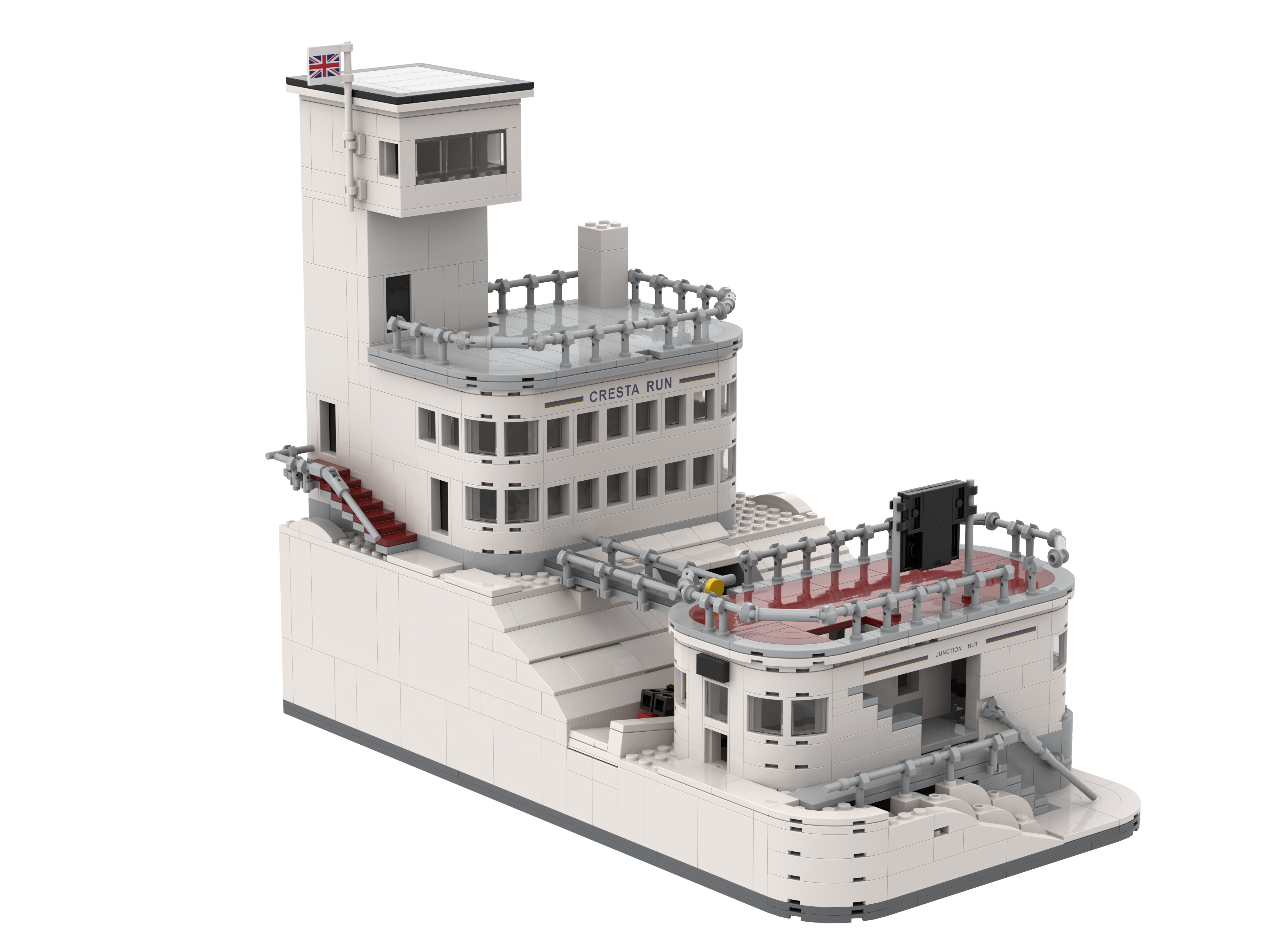
In 1959, Karaca set the Flying Junction record, which stood for six years. At the peak of his powers, he chose to retire from the Cresta Run - wanting, as he said, to be remembered at his best.
In later years, he turned his energy to the sea, captaining his sailing boat across the Aegean, Mediterranean, and Atlantic coasts, often alongside his beloved wife, Zeynep. These were years of adventure, freedom, and companionship.
In his final years, dementia gradually took much from him, but never his enduring affection for “the Run.” He continued to ask about it - and about old friends: Digby, Lordy, Poldi, Cha Cha, Hans Jürg - and wore his Cresta colours until the very end.
Karaca Taşkent will be remembered as a man of speed, courage, humour, and generosity of spirit - a true sportsman, and always, unmistakably, himself.



%20(1).png)







.jpg)
